Does Quietum Plus Work for Tinnitus? A Look at the Evidence
Quietum Plus may help ease tinnitus symptoms by feeding the auditory nerves, lowering inflammation in the inner ear, and improving blood flow to the ear. The 18-ingredient supplement uses plant extracts, amino acids, and minerals tied to nerve health and hearing support.
Results vary by person, and no dietary supplement currently holds FDA approval as a tinnitus treatment. This article looks at what the formula actually does, what the research shows, and what real users report.
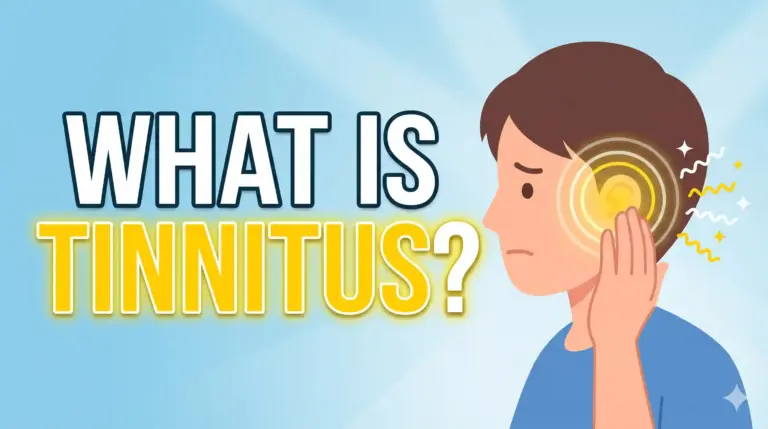
Tinnitus affects about 10 to 15 percent of adults worldwide. The National Institute on Deafness and Other Communication Disorders [¹] reports that nearly 25 million Americans have experienced some form of tinnitus in the past year. With no approved drug treatment in place, many people turn to natural options like Quietum Plus to find relief.
What Quietum Plus Is Designed to Do for Tinnitus?
Quietum Plus is a daily plant-based capsule made for adults dealing with ear ringing, muffled hearing, or general hearing decline. The formula packs 18 ingredients into 2 capsules per serving, including:
- Mucuna Pruriens
- Maca Root
- Dong Quai
- Ashwagandha
- Tribulus Terrestris
- L-Arginine
- L-Tyrosine
- Piperine
- Vitamin A, Vitamin B, and Zinc
The brand makes the supplement in the United States inside an FDA-registered, GMP-certified facility. Each bottle holds a 30-day supply at the 2-capsule daily dose. The product is non-GMO, stimulant-free, and gluten-free.
The Three Biological Pathways the Formula Targets
Quietum Plus attacks tinnitus from 3 angles. Each one connects to a known cause of ear ringing.
1. Nourishing the Auditory Nerves
The auditory nerves carry sound signals from the inner ear to the brain. When nerves are undernourished, signal transmission breaks down, which can show up as ringing, muffled sound, or a delayed response to noise.
Mucuna Pruriens, Dong Quai, and L-Tyrosine give the auditory nerves the building blocks they need. Mucuna Pruriens contains natural L-DOPA, a precursor that the brain uses to make dopamine. Dopamine plays a role in how the brain processes sound and filters out background noise. A 2004 study published in the Journal of Neurology, Neurosurgery and Psychiatry tested Mucuna Pruriens in patients with Parkinson’s disease and confirmed its effect on dopamine pathways.
2. Reducing Oxidative Stress in the Inner Ear
Hair cells inside the cochlea turn sound waves into nerve signals. Free radicals slowly damage these tiny sensors, and damaged hair cells often trigger tinnitus.
Ashwagandha, Maca Root, and Piperine bring strong antioxidant action to the inner ear. A 2012 randomized, double-blind, placebo-controlled trial published in the Indian Journal of Psychological Medicine found that adults taking 600 mg of Ashwagandha daily for 60 days showed a 27.9 percent drop in serum cortisol levels. Lower cortisol means less inflammation-driven nerve damage. Read the original Ashwagandha study on PubMed. [²]
3. Improving Blood Flow to the Ear
The inner ear runs on steady blood flow. Reduced circulation starves the hair cells of oxygen and slows waste removal, both of which feed into tinnitus.
L-Arginine and Catuaba Powder support healthy vascular function. L-Arginine raises nitric oxide levels, the molecule that relaxes blood vessels and improves microcirculation. This direct vascular effect on the cochlea is one reason circulation-focused ingredients show up in most tinnitus supplements.
What the Research Says About the Main Ingredients?
Looking at the ingredient list one at a time shows where Quietum Plus has the strongest science backing.
Ashwagandha for Stress and Tinnitus Relief
Stress makes tinnitus louder for most people. Ashwagandha calms the body’s stress response. The Chandrasekhar 2012 trial cited above showed real cortisol reduction, and follow-up reviews have confirmed its broader anti-anxiety effect. Lower stress generally means quieter perceived tinnitus.
Mucuna Pruriens for Nerve Health
Mucuna Pruriens supports dopamine production and neural recovery. Most clinical research focuses on Parkinson’s patients, but the nerve protection mechanism carries over to auditory pathways.
Maca Root for Antioxidant Support
Maca Root is a Peruvian plant studied for energy, mood, and anti-inflammatory action. A 2012 review in Evidence-Based Complementary and Alternative Medicine summarized the bioactive compounds in maca, including glucosinolates and macamides, both of which carry antioxidant properties.
Piperine for Better Absorption
Piperine is the active compound in black pepper. Its job in the formula is to boost the absorption of other ingredients. A 1998 study in Planta Medica by Shoba and colleagues showed piperine increased curcumin bioavailability by up to 2,000 percent in human volunteers. The same effect applies to other plant compounds in the Quietum Plus blend.
Tribulus Terrestris for Vascular Health
Tribulus Terrestris supports circulation and immune function. A Pharmacognosy Reviews paper by Chhatre and colleagues summarized its main pharmacological actions, including vasodilation and antioxidant support.
L-Arginine for Blood Flow
L-Arginine is an amino acid that the body uses to make nitric oxide. Better nitric oxide levels mean better blood flow to the tiny vessels that feed the cochlea. This direct vascular role makes L-Arginine one of the more interesting ingredients for circulation-driven tinnitus.
How Quietum Plus Lines Up With Outside Tinnitus Research?
Independent tinnitus research highlights 3 nutrient pathways: antioxidant defense, nerve repair, and circulation. Quietum Plus hits all 3 pathways with named, studied ingredients.
That said, the formula skips some of the most-studied tinnitus nutrients, such as Ginkgo Biloba and high-dose Vitamin B12. A landmark 1993 study in the American Journal of Otolaryngology found that 47 percent of people with chronic tinnitus and noise-induced hearing loss had Vitamin B12 deficiency, compared with 19 percent of people without tinnitus. Read the original B12 and tinnitus study on ScienceDirect. [³] The Quietum Plus label lists “Vitamin B” without specifying the form or dose, so anyone with a known B12 shortfall may want a separate methylcobalamin supplement on top.
The American Tinnitus Association [⁴] takes a cautious view on supplements overall. The ATA notes that no dietary supplement is FDA-approved for tinnitus treatment, yet around 23 percent of people with tinnitus use supplements as part of their relief plan anyway.
What Real Users Report?
Quietum Plus carries a 4.4 to 4.8 star average across review sites in 2026, based on more than 50,000 reported buyers. Common patterns in user feedback include:
- Mild relief in ear ringing within 3 to 4 weeks of daily use
- Bigger reductions in tinnitus loudness by week 8 to 12
- Better sleep quality and less night-time ringing
- Sharper sound clarity in conversations and on phone calls
For a full breakdown of feedback, ingredient sourcing, and pricing, see the complete Quietum Plus review.
Negative feedback usually focuses on slow results, occasional first-week digestive discomfort, or fake bottles bought from third-party sites. Quietum Plus sells only through the official site, so any Amazon, eBay, or Walmart listing is a counterfeit.
How Long Does Quietum Plus Take to Work?
Most users report early changes between week 3 and week 4 of daily use. Bigger shifts in tinnitus intensity show up across the full 90-day protocol. Patrick Bark, the formulator, built the supplement for gradual, layered improvement rather than overnight results.
A simple expectations timeline:
- Week 1 to 2: The body adjusts to the herbal blend. Some users feel small energy and focus boosts.
- Week 3 to 4: Ear ringing volume starts to dip for a portion of users.
- Week 8 to 12: The biggest tinnitus relief and hearing clarity gains, based on most reported user data.
Plan on at least 3 bottles if you want lasting changes. The 6-bottle bundle gives the longest supply window and the deepest per-bottle savings.
Side Effects and Safety Profile
Quietum Plus shows a clean safety record in user reports. Aggregated 2026 safety data points to 3 main reaction categories:
- Mild digestive sensitivity: bloating or nausea in the first week, reported by 2 to 4 percent of users.
- Slight headaches: usually tied to increased blood flow, reported by 1 to 2 percent of users.
- Energy shifts: a small mental energy bump, reported by about 1 percent of users.
These reactions fade within a few days for most people. Drinking more water often clears the early headache symptom.
Who Should Avoid Quietum Plus?
Skip Quietum Plus, or talk to your doctor first, if any of the following apply to you:
- You are pregnant or nursing
- You are under 18 years old
- You take blood thinners like warfarin or aspirin daily
- You manage a medical condition with prescription drugs
- You have a known allergy to any listed plant or herb
L-Arginine and Piperine can change how some prescription drugs work, so a quick check with your doctor is the safe move.
How Quietum Plus Compares to Other Tinnitus Options?
Quietum Plus is one piece of a wider tinnitus relief plan, not a stand-alone cure. Other proven options include:
- Hearing aids: best for tinnitus tied to hearing loss. They amplify outside sound so the inner ringing fades into the background.
- Sound therapy: white noise machines, pink noise apps, and tinnitus maskers help most at night when the room is silent.
- Cognitive Behavioral Therapy (CBT): lowers the emotional distress of tinnitus across 6 to 12 sessions.
- Tinnitus Retraining Therapy (TRT): combines counseling and low-level sound therapy across 12 to 24 months.
- Other supplements: Lipoflavonoid, Cortexi, and AudiLeaf target similar pathways with different formulas.
Stacking a supplement with sound therapy and stress reduction often beats any single method on its own.
The Honest Verdict on Quietum Plus for Tinnitus
Quietum Plus is a fair, science-aligned tinnitus supplement that pulls together 18 ingredients with research links to nerve health, antioxidant support, and inner ear circulation. It is not a cure, and no supplement currently is. The brand backs every order with a 60-day money-back guarantee, which lowers the financial risk of trying it.
The formula stands out for ingredient depth and tinnitus-focused targeting, but it lacks Ginkgo Biloba and a specified B12 dose. Anyone with a confirmed B12 deficiency may want to add a separate B12 product alongside.
Ready to see current bundle prices and active discounts? Check the Quietum Plus pricing page for the latest deals and shipping terms.
Frequently Asked Questions
Does Quietum Plus really work for tinnitus?
Quietum Plus may reduce tinnitus loudness and improve hearing clarity for some users by feeding auditory nerves and supporting blood flow. Most buyers report meaningful changes after 8 to 12 weeks of daily use. Results vary by person, and underlying causes like B12 deficiency or hearing loss may need separate medical care.
How many capsules of Quietum Plus do I take per day?
You take 2 capsules per day, ideally with breakfast and a full glass of water. Taking the supplement at the same time each day works best for steady results.
Is Quietum Plus FDA-approved?
No. No dietary supplement is FDA-approved for tinnitus treatment. Quietum Plus is made inside an FDA-registered, GMP-certified facility, which is a manufacturing standard for safety and quality, not a drug approval.
Can I take Quietum Plus with other medications?
Talk to your doctor first if you take blood thinners, blood pressure drugs, or any prescription medicine. L-Arginine and Piperine can change how some drugs work in the body.
How long does Quietum Plus take to ship?
Quietum Plus ships from the United States in 5 to 7 business days for US orders, and 10 to 15 business days for most international addresses. Tracking emails go out within 24 hours of order confirmation.
Where is Quietum Plus manufactured?
Quietum Plus is made in the United States in an FDA-registered, GMP-certified facility. The bottles use non-GMO, stimulant-free ingredients, and every batch goes through quality checks before shipping.
References
https://www.nidcd.nih.gov/health/tinnitus
https://pubmed.ncbi.nlm.nih.gov/23439798
https://www.sciencedirect.com/science/article/pii/019607099390046A